Thought Leadership Article from Ryan Ramsey, Director of Organisational Performance, UKIFS
Fusion is often explained through physics but its real significance lies in the industrial capability and national advantage builds long before the first power plant switches on. It is, after all, one of the most complex scientific challenges humanity has taken on. The science matters, but focusing on the science alone misses why governments are investing now.
Put plainly: fusion is the process that powers the sun and stars. Instead of burning fuel, stars join atoms together and release vast amounts of energy. What truly matters though, is what fusion offers: clean, low-carbon energy; minimal long-lived waste; abundant fuel; and reliable power that complements renewables, rather than competing with them.
That combination makes fusion strategically important. But today, the case for action is industrial, not just an energy‑based argument.
Fusion power is some years away – but the real prizes are already emerging
Large, complex systems have always taken time to mature. The mistake is thinking that nothing of value happens until we reach the final destination. The real prize is industrial leadership.
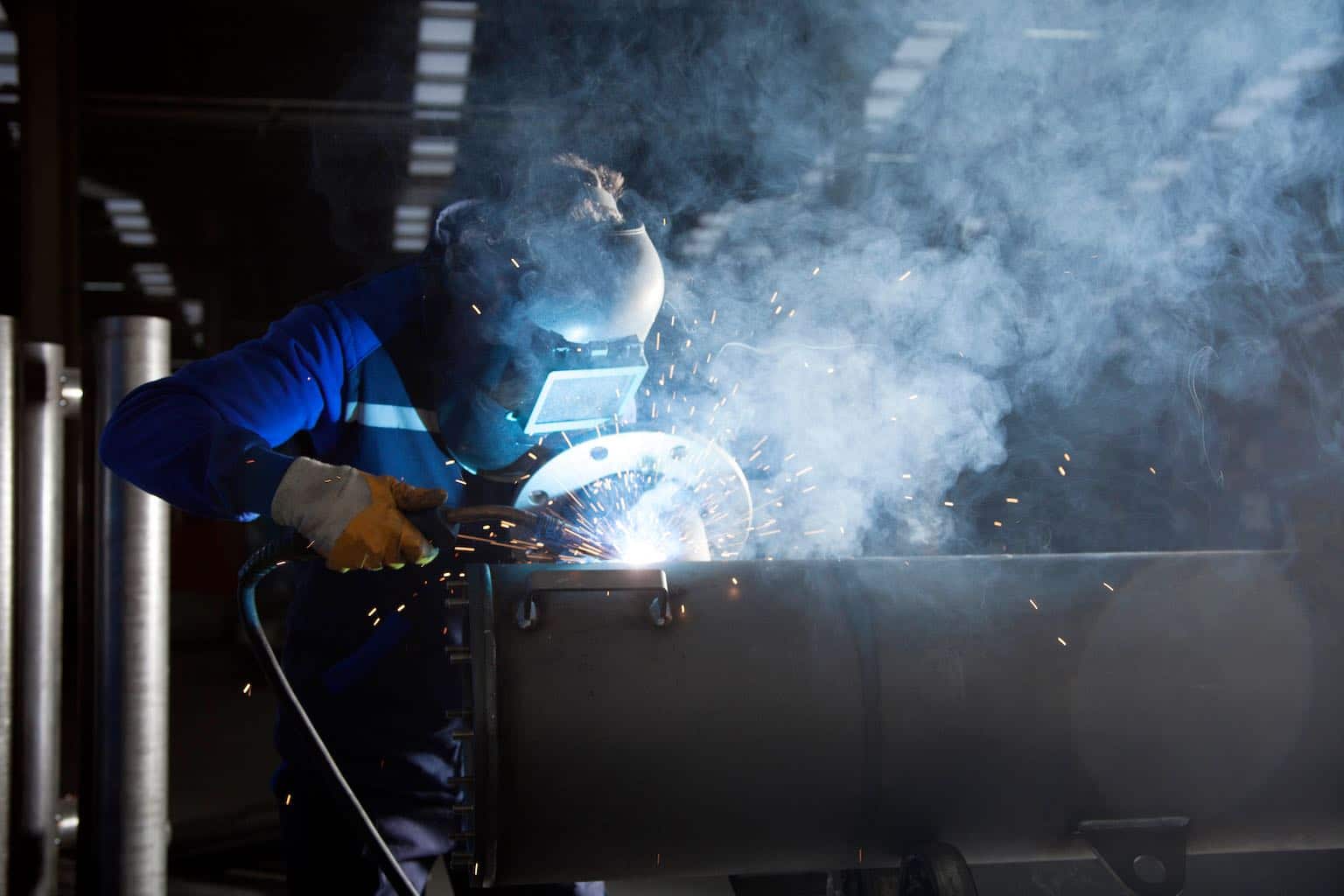
To build a fusion power plant, you must solve some of the hardest engineering challenges on Earth. Components operate at extreme limits. Robotics must work reliably in extreme environments where humans cannot. Heat, radiation, materials, and safety must be managed simultaneously. Thousands of highly complex systems must be designed and integrated into a single, coherent machine.
These challenges are not abstract. When they are solved, they create enduring capability, the kind that underpins national resilience, economic strength, and global influence.
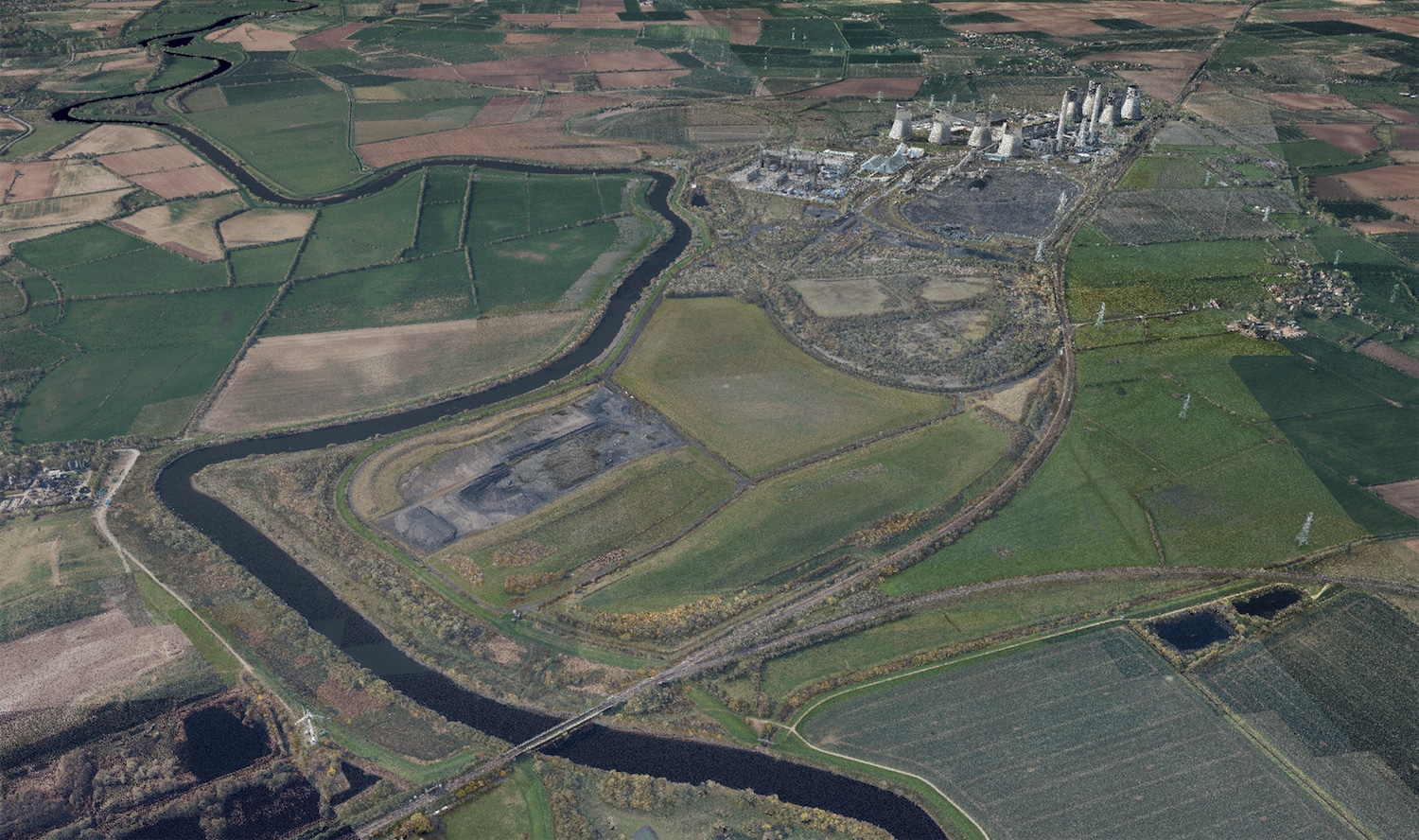
This is the context in which Spherical Tokamak for Energy Production (STEP) – the UK’s prototype fusion power plant should be understood. STEP Fusion is the UK’s decision to move from theoretical ambition to practical delivery. It is a commitment to design and build a full prototype fusion power plant, with a real site, a defined timeline, and clear accountability.
That commitment changes behaviour early. Supply chains begin to form. Companies invest with confidence. Skills are developed in anticipation of real demand. Standards and ways of working emerge. All of this happens well before a single unit of electricity is produced, because industry responds to seriousness of intent, not distant aspiration.
Fusion is the mission, but the journey is where value is created
Through STEP Fusion, the UK is deliberately strengthening capability in advanced manufacturing, robotics and remote operations, high-performance materials, and power systems integration. These capabilities matter far beyond fusion itself. They reinforce defence, infrastructure, space, and future energy systems, and they create expertise that can be exported globally.
This is why STEP Fusion is best understood as industrial strategy in action, not a science experiment.
UK Industrial Fusion Solutions (UKIFS) exists to deliver that strategy
UKIFS is not a research organisation, it is a delivery organisation. Its role is to act as a serious, accountable client that translates ambition into reality; setting clear requirements, contracting with industry, integrating complex systems, and being responsible for delivery. This is how countries build major industrial capabilities by committing to build and then organising themselves to do so effectively.
The UK already leads the world in fusion science. STEP Fusion is how that leadership translates into jobs, skills, long-term growth, energy security, and industrial influence. It reflects a broader choice – to build hard things again, deliberately and at scale, rather than waiting for certainty to arrive on its own.
You do not need to understand plasma physics to understand STEP Fusion. At its core, this programme is about using fusion as the engine to build the industries of the future – creating value now, and power later.
This article is the first in a UKIFS thought leadership series exploring how fusion, delivery discipline, and industrial capability intersect – and why that intersection matters for the UK’s future.