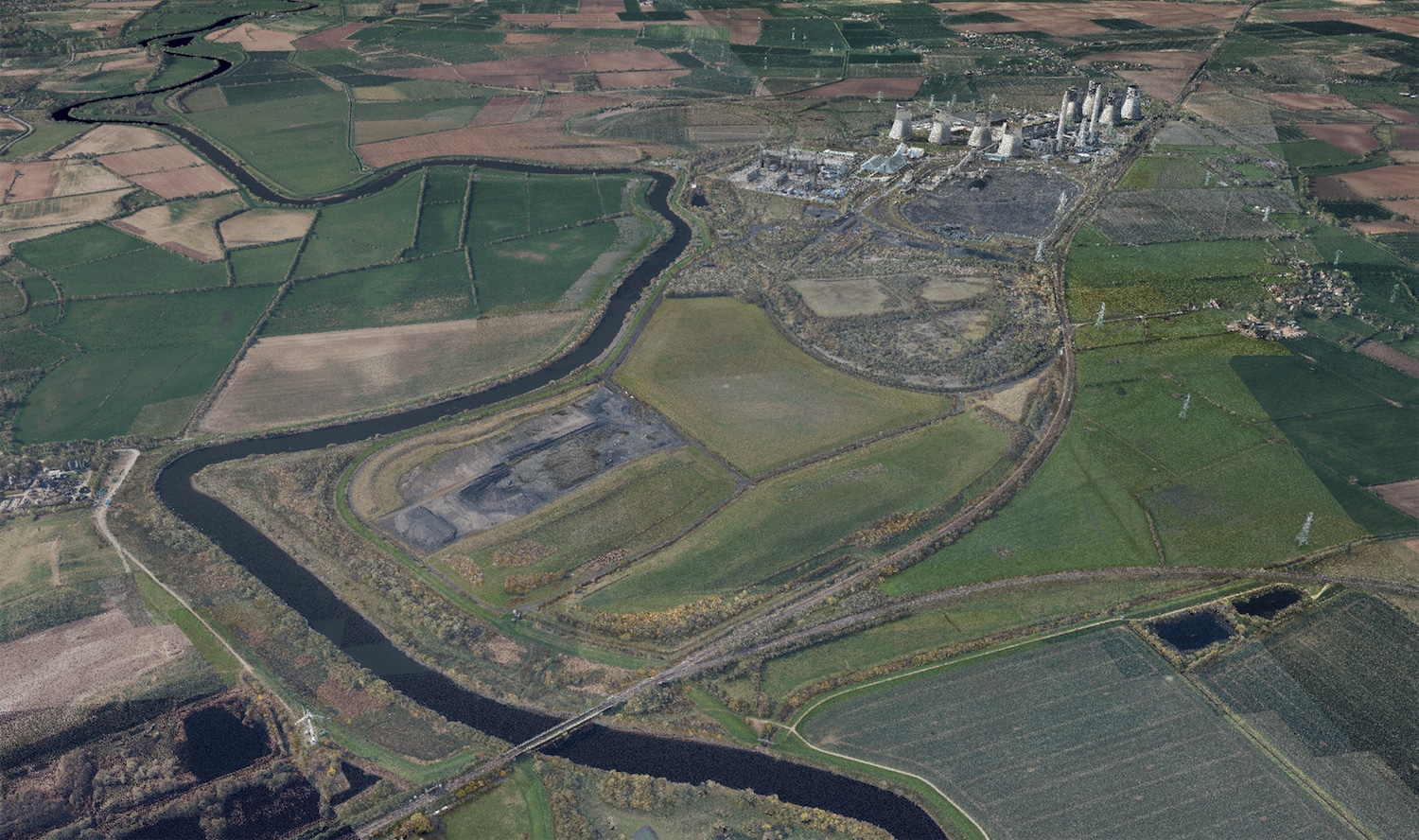
Fusion energy promises a future of abundant, low-carbon power and large-scale superconducting magnets are at the heart of enabling a (magnetic confinement based) fusion power station to generate power. STEP Fusion (Spherical Tokamak for Energy Production) is developing the UK’s prototype fusion powerplant at West Burton in Nottinghamshire, and recent advances are helping bring that vision closer to reality and bringing the project closer to the ambition of building the prototype by 2040.
Case Study: Protecting the power: New magnet protection concept demonstrated
Superconducting magnets must operate under extreme conditions in fusion machines to confine the plasma (the superheated hydrogen and deuterium fuel needed for fusion) at their heart. But when these magnets lose their superconducting state, a “quench” can occur, risking damage from sudden energy release.
To tackle and reduce this risk for future commercial fusion plants, the STEP Fusion Magnets team successfully demonstrated a new quench protection concept which works like a safety valve for when/if a magnet loses superconductivity. The system safely redirects and spreads out the energy, preventing dangerous hotspots, protecting the magnet from melting.
This innovation was tested at the University of Strathclyde using a specially designed coil made by Oxford Sigma who have a strong record in developing sustainable, next-generation materials built to perform in the world’s harshest environment, in collaboration with Rockwood Cryogenics, a high-performance cryogenic composite solutions provider, part of The Rockwood Group.
The result is a safer, smarter way to protect the critical fusion magnets of the tokamak and a major development in designing STEP Fusion’s Toroidal Field (TF) coils that will create the strong magnetic field what wraps around the tokamak, keeping the plasma stable and confined.

Howard Wilson, Director of Science and Technology for STEP Fusion at the West Burton site said:
“This breakthrough shows how UK expertise across sectors is helping solve fusion’s toughest engineering challenges.”
Why it matters:
Reliable magnet protection is needed for building a fusion powerplant that is commercially relevant. It also shows how STEP Fusion is combining UK innovation and cross-sector expertise to solve fusion’s toughest challenges.