UK Fusion Energy Ltd, the organisation delivering the UK’s first prototype fusion energy plant, has published two European patent applications, marking an important milestone for the STEP (Spherical Tokamak for Energy Production) programme.
The applications describe a modular vacuum vessel architecture and associated sealing technology that together support a new approach to fusion reactor assembly and maintenance.
The technologies explore new approaches to vacuum vessel construction, maintenance and lifecycle management, helping address key engineering challenges associated with future fusion power plants.
The applications are:
- EP4742271A1 – Modular Vessel Assembly
- EP4742272A1 – Fluid Sealing Device for a Modular Vessel Assembly
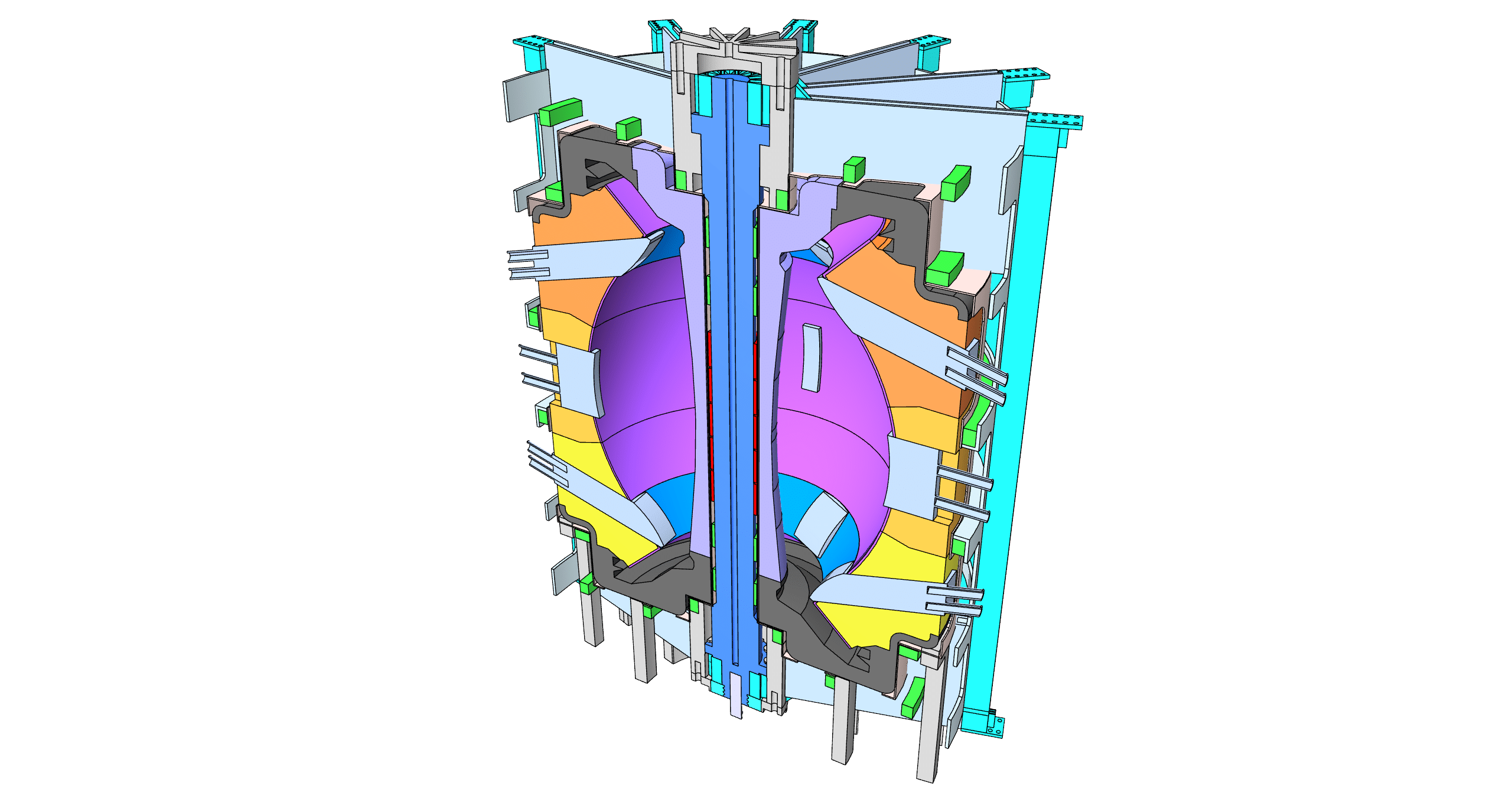
Together, the applications describe a vacuum vessel concept in which the tokamak is divided into a series of stacked annular modules, rather than being constructed as a single welded structure.
The approach has been developed to simplify maintenance and component replacement by allowing individual vessel sections to be removed and serviced independently. It also improves access to internal systems, supporting more efficient lifecycle management of key reactor components.
Rethinking vacuum vessel architecture
Vacuum vessels are one of the most complex systems in a fusion power plant. They must maintain a vacuum while operating in an environment exposed to high temperatures, electromagnetic forces and neutron loads.
Most fusion vacuum vessels are built as large welded structures. While effective, these designs can make maintenance and component replacement challenging.
The STEP patent applications describe a different approach: a vacuum vessel made up of stacked ring modules. Each module combines the vacuum vessel with associated in-vessel systems, allowing sections to be assembled, removed and maintained individually.
By dividing the tokamak into stacked modular sections, the design aims to reduce the number of connections that need to be made and broken during maintenance activities and improve access to internal systems. Individual vessel sections can be removed, serviced and reinstalled independently, creating a more maintainable architecture than conventional monolithic vacuum vessel designs.
Solving the sealing challenge
A modular vessel design depends on being able to maintain a reliable vacuum seal between each section.
The second patent application focuses on the sealing system that sits between neighbouring vessel modules. The design is intended to maintain vacuum integrity while accommodating the manufacturing tolerances and deformation that can occur in large fabricated structures. This is a key challenge for any modular vacuum vessel concept, where reliable sealing performance must be maintained across multiple vessel interfaces.
The vessel architecture and sealing technology form a single engineering solution, enabling a modular vacuum vessel while maintaining the conditions needed for plasma confinement.
Claire Goodier, Head of Intellectual Property at UK Fusion Energy Ltd, said:
“The publication of these applications marks an important milestone for UKFE and the STEP programme. They represent some of the first innovations developed within the programme to enter the public domain through the patent system and highlight the engineering innovation being developed across the programme.”
Roel Verhoeven, Engineering Manager at UK Fusion Energy Ltd, added:
“Fusion power plants present unique engineering challenges, especially when designing systems that must operate reliably while also remaining maintainable through their operational life. The modular vessel architecture and associated sealing concepts described in these applications are addressing those challenges and supporting future fusion power plant deployment.”
The published applications outline an approach that improves access to reactor systems and supports more efficient maintenance and replacement of key components throughout the lifetime of a plant.
The technologies reflect STEP’s focus on designing fusion power plants that can not only achieve performance targets, but also be assembled, maintained and operated efficiently over decades of service.
ENDS
Notes to editors
EP4742271A1: Modular Vessel Assembly was published on 13 May 2026.
EP4742272A1: Fluid Sealing Device for a Modular Vessel Assembly was published on 13 May 2026.
These are published patent applications, not granted patents.
The applications relate to technologies being developed within the STEP programme, which aims to demonstrate the commercial viability of fusion energy in the UK.
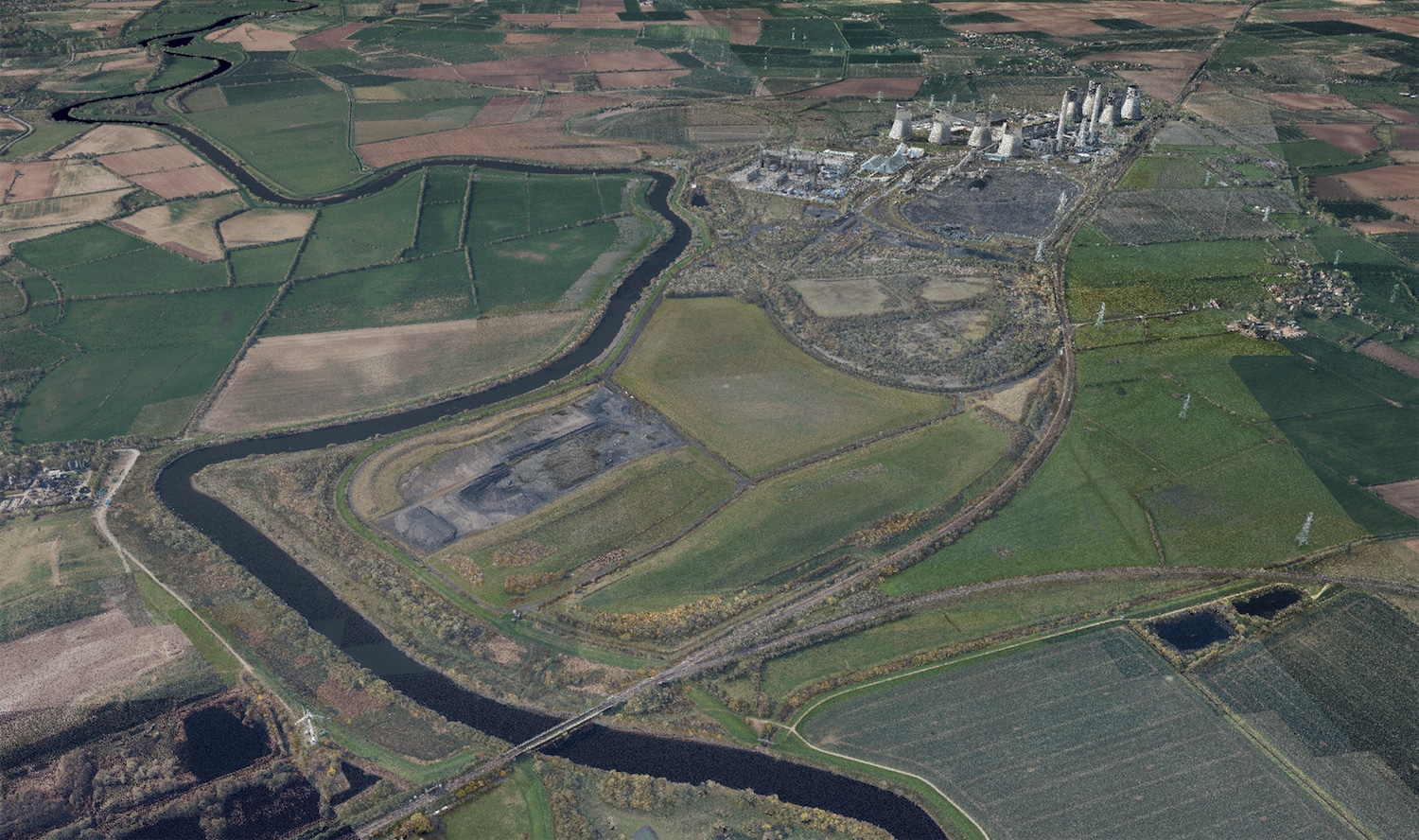
UK Fusion Energy Ltd (UKFE) is responsible for delivering the UK’s flagship fusion programme, STEP (Spherical Tokamak for Energy Production). The organisation is leading the design and development of the UK’s first prototype fusion energy plant at West Burton in Nottinghamshire, targeting first operations in the 2040s. Working with industry and research partners, UKFE is building a public-private alliance to scale commercial fusion energy and support long-term energy security.